
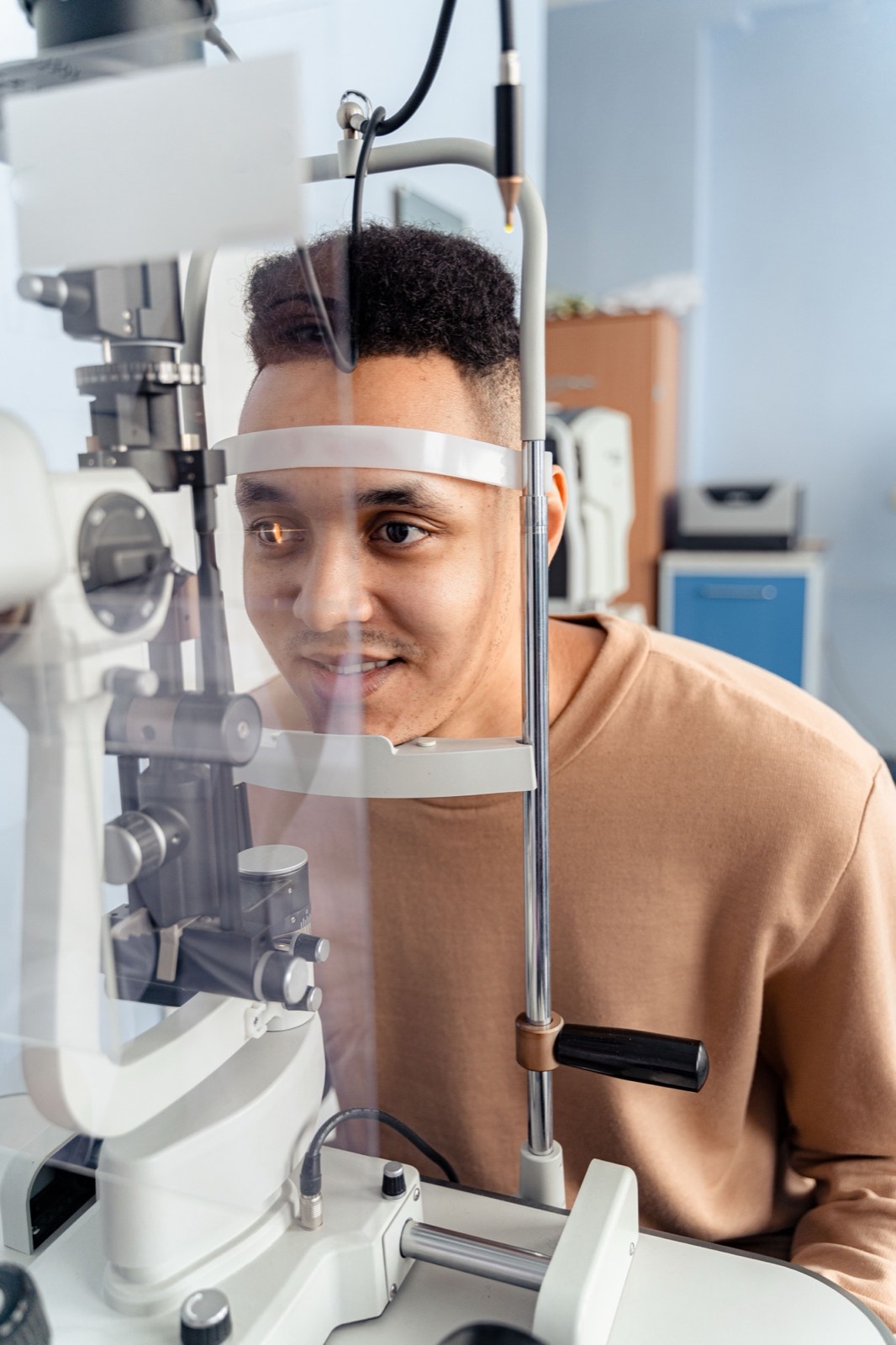
Many people wait for blurry vision before calling an eye doctor. Yet a comprehensive eye exam also checks eye health, visual comfort, and changes that may not cause obvious symptoms early on.
There is no single schedule for everyone
Your optometrist recommends timing based on your findings and risks. Children’s vision can change as they grow. Adults with stable, healthy eyes may follow a different schedule than someone with diabetes, glaucoma risk, eye disease, a strong family history, or medications that can affect the eyes.
Reasons to be seen sooner
- Blur at distance or near, even if it comes and goes
- Frequent headaches or eye fatigue
- New trouble driving at night or glare around lights
- Dryness, burning, redness, or fluctuating vision
- Contact lenses that have become uncomfortable
- Changes related to pregnancy, diabetes, medication, or other health conditions
What a comprehensive exam can include
Depending on your needs, an exam may assess visual acuity, prescription, eye coordination and focusing, eye pressure, the front surface of the eye, and internal eye health. Dilation or retinal imaging may be recommended when a wider view is helpful.
A practical Lexington routine
If it has been a while, start with a baseline exam rather than trying to guess the perfect interval. Bring your current glasses, contact lens information, medication list, and questions. At the end of the visit, you should understand what was found and when Dr. Callihan recommends seeing you next.
Learn more about preventive eye care from the CDC’s vision and eye-health guidance.
General education only; individual recommendations depend on your examination and medical history.
← Back to the Eye Care Journal